Having additional qualifications, such as an ADR certificate (dangerous goods permit), oversized load permits, or eco-driving courses, allows a long-haul driver in the EU to increase their base income by 15–30%. To work legally in these high-paying niches, a driver must complete a specialized ADR Poland course (or equivalent in another EU country), pass a state examination, and regularly renew permits every 5 years. These investments in skills pay off quickly, provide access to premium vacancies, and make the driver an indispensable specialist for European transport companies.
The European logistics market of 2026–2027 is experiencing an acute shortage of personnel. However, working as a driver in Poland and other EU countries is increasingly divided into segments: mass market (transporting standard pallets in curtain-sided semi-trailers) and specialized (chemicals, fuel, oversized cargo, car carriers).
In the mass market segment, competition is higher and rates grow more slowly. In the specialized segment, there is an acute shortage of personnel, so employers are willing to pay more, offer better schedules, and assume all bureaucratic costs for employee legalization.
In this article, we, as practical experts, will examine which additional certificates genuinely increase your value in the market, how much training costs, and how new skills are connected to successful legalization in Europe.
The abbreviation ADR (Accord Dangereuses Route) is familiar to every long-haul driver. It is a European agreement on the international transport of dangerous goods. A dangerous goods permit is the first and most obvious step in career advancement.
Training is divided into several levels. You cannot obtain everything at once; the process is structured from simple to complex:
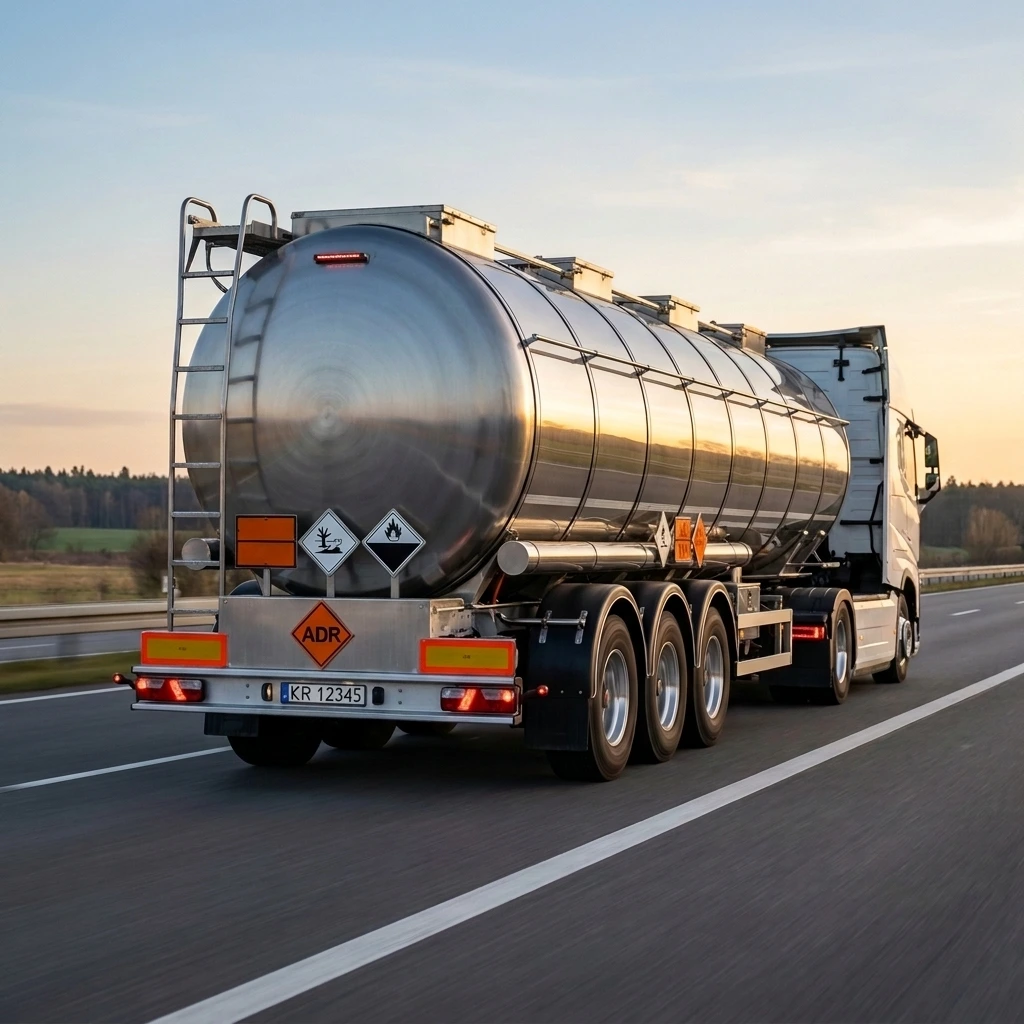

In Poland, courses are conducted by specialized training centers. After completing lectures, the candidate takes a state examination before a commission at the Marshal’s Office (Urząd Marszałkowski).
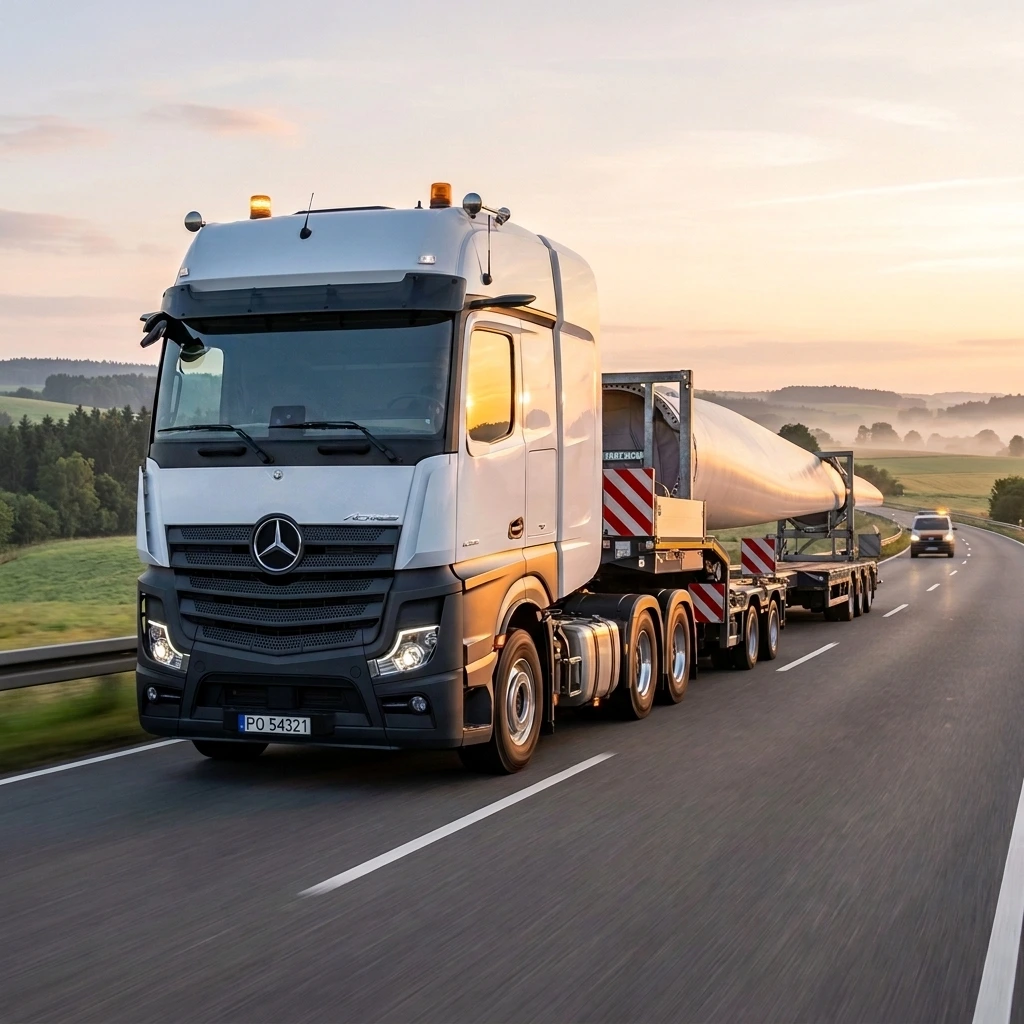
Transporting cargo that exceeds standard dimensions (length over 16.5 m, width over 2.55 m) or weight (over 40 tons) is the elite of the transport business. Wind turbines, agricultural machinery, bridge beams—all of this is oversized cargo.
What Is Required of the Driver?
A special certificate for operating a vehicle with oversized cargo is not always required (basic documents for drivers in Europe are sufficient), but extensive experience and additional permits are necessary:
Work on “oversized loads” is paid at the highest rates in the market, but this is work for people with strong nerves.
European logistics companies are obsessed with ecology and safety. This is not just words—it is a strict calculation. A modern tractor unit consumes an average of 24–26 liters of fuel per 100 km. Improper driving increases this figure by 10–15%, which at European diesel prices results in enormous losses.
Eco-driving
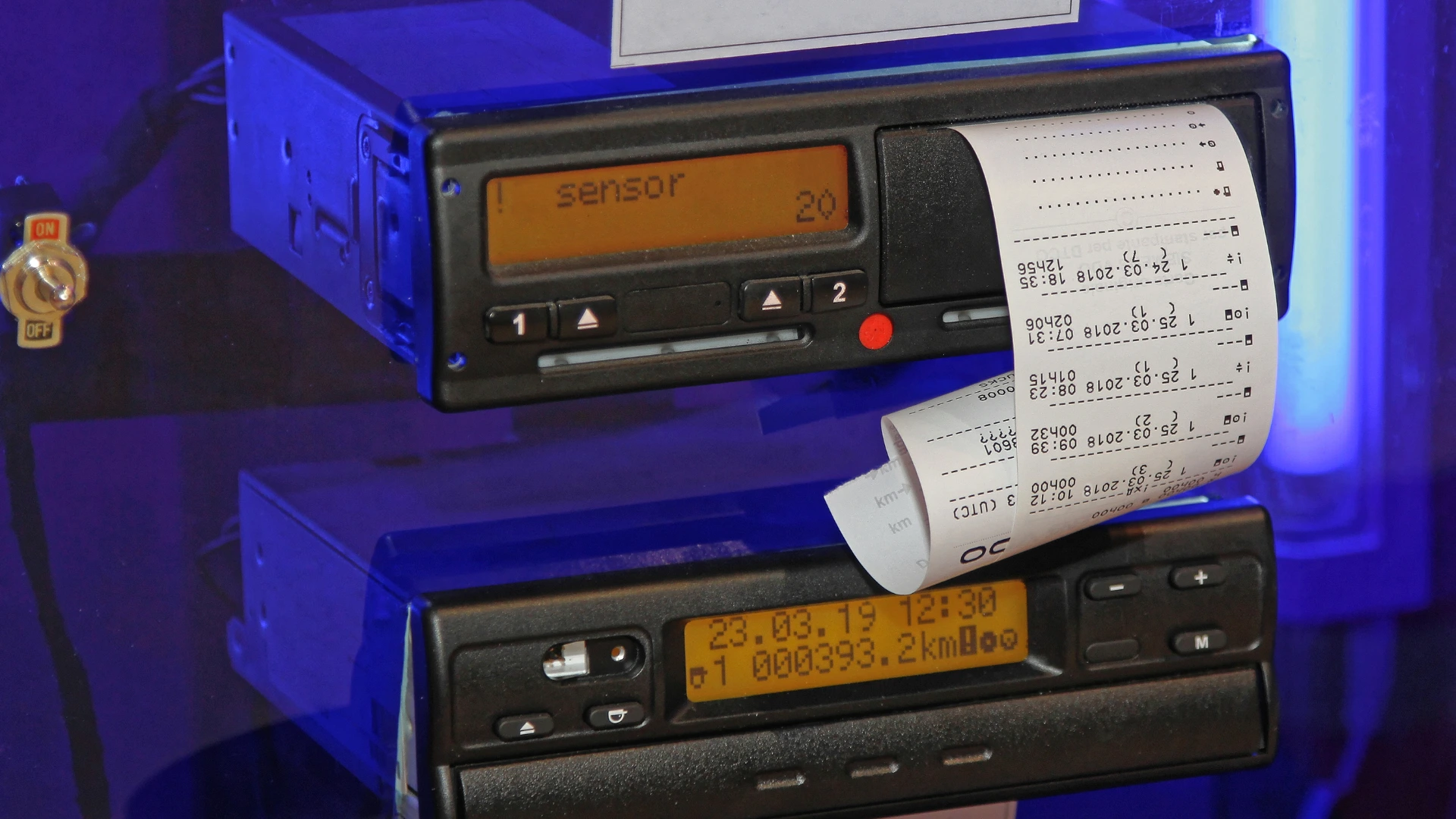
Many companies have installed telematics systems (Transics, Trimble, FleetBoard) that evaluate the driver on a 100-point scale.
These are accident prevention training courses. Drivers are taught to anticipate dangerous situations on the road, avoid blind spots when maneuvering in cities, and respond correctly to trailer skids on ice. Having such a certificate is a huge advantage when applying to Western corporations (such as Amazon or DHL).
This point is often underestimated, but driver legalization in Poland directly depends on your value to the company.
When a driver possesses a rare specialization (for example, ADR tank permit), the transport company holds onto them with both hands. This means the employer will prepare all documents (Załącznik nr 1) on time and without errors so that your residence card in Poland is processed as smoothly as possible.
Connection Between Qualifications and New Laws:
At the time of preparing this material, Poland is planning to implement the e-Pobyt digital portal, designed to expedite the issuance of decisions. The stated goal of the reform is residence permit in 60 days in Poland. However, it must be understood: this is a target indicator for perfectly assembled cases.
Before becoming an elite specialist on tankers or oversized loads, you need to lay a solid foundation. Your first step in European logistics is proper initial qualification (Kwalifikacja Wstępna).
At the driving school and training center “Code 95 U Marka” (Startruck), we understand that theory without practice is dead.

Working as a long-haul driver in Europe is a profession where your income directly depends on your knowledge. ADR courses, oversized load permits, and eco-driving training are not a waste of time but an investment that pays off in one to two months of work. A highly qualified driver chooses their employer, dictates terms, and feels confident on the road.
Start your path to high earnings with a reliable foundation. Complete basic training at U Marka Driving School (Startruck), obtain official Code 95, and open up premium niches in European logistics for yourself. Your professionalism is your main protection on the roads.
ADR qualification and legalization status (residence permit) are different legal norms. An ADR certificate allows you to transport dangerous goods. However, a red stamp in your passport only permits you to legally stay in Poland. You cannot perform international trips to other EU countries with a stamp, regardless of what cargo you are transporting.
Many large Polish and German companies are interested in qualified personnel. If the company sees your potential, it may pay for ADR training on the condition of signing a loyalty contract (lojalka) for 1–2 years. If you resign earlier, you will have to return part of the course cost.
No. The examination for a dangerous goods transport permit consists exclusively of a theoretical part (testing). Driving practice is only tested when opening categories in a driver’s license and when taking the examination for the full Code 95 (Kwalifikacja Wstępna).
Follow us on social media
[qsm quiz=”1″]