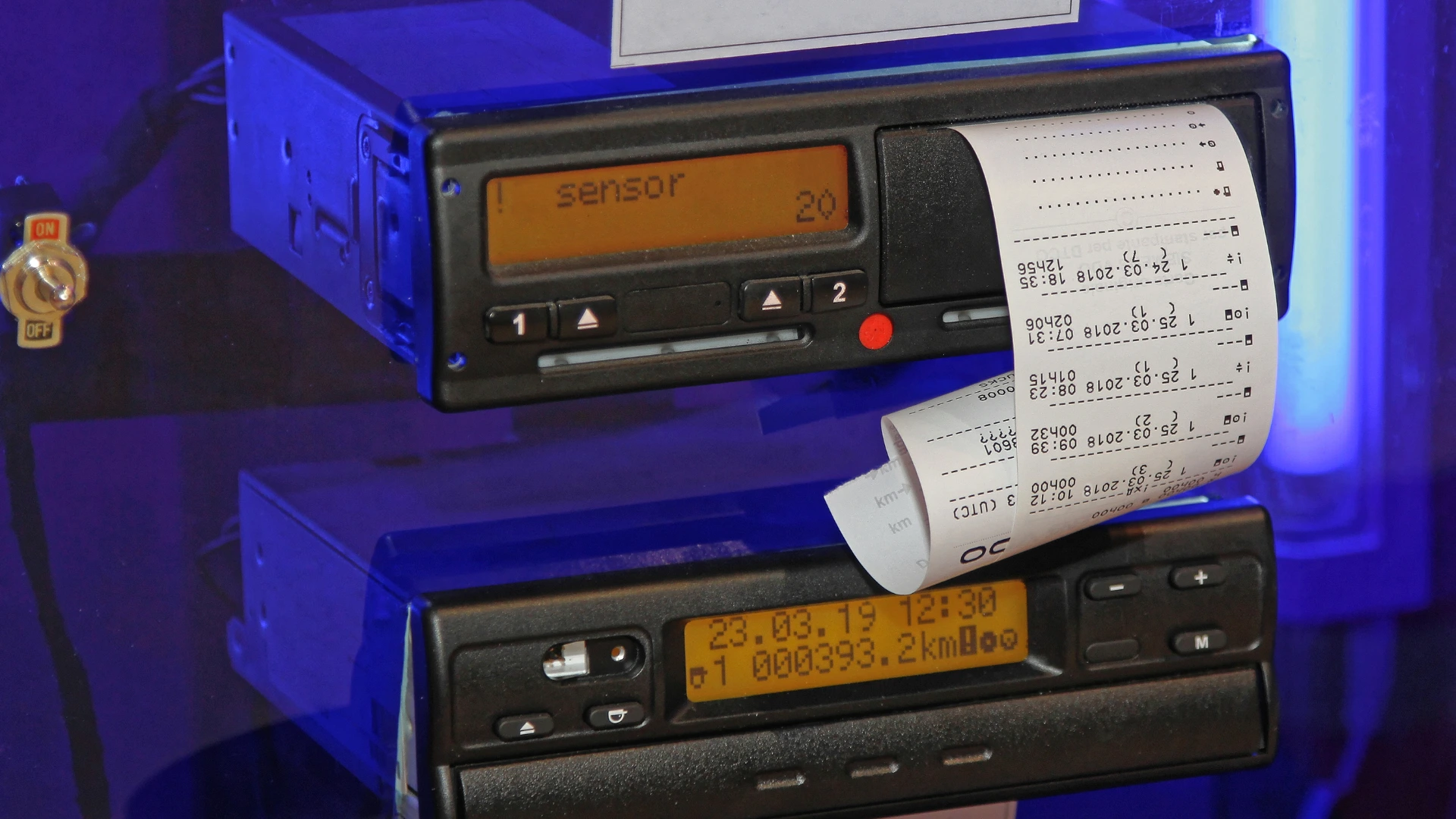
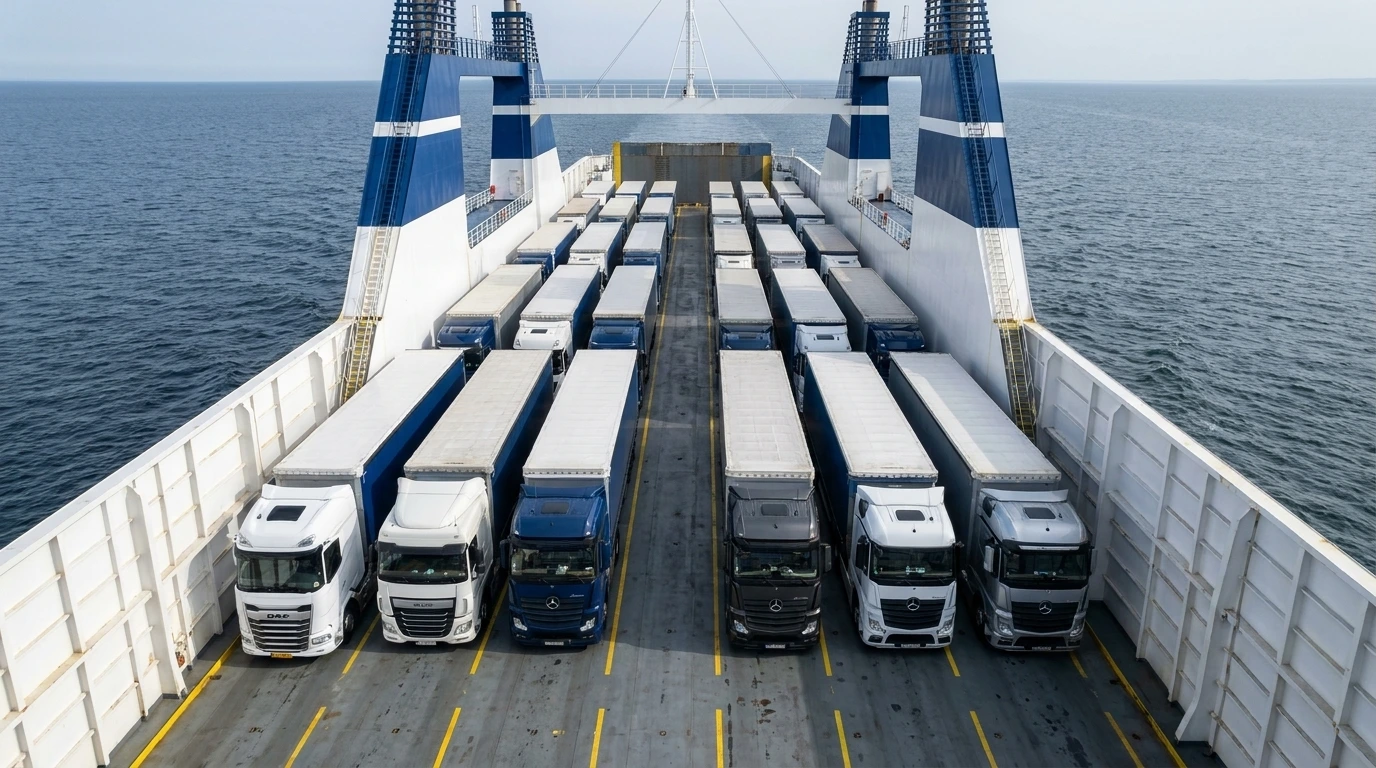
The implementation of second-generation smart tachographs (Smart Tacho 2) in the European Union is a mandatory requirement of the Mobility Package for all vehicles engaged in international transport. By December 31, 2024, all analogue and basic digital tachographs (G1) were subject to replacement, and by August 18, 2025, first-generation smart tachographs (G2V1) must be replaced with new devices. Key features of Smart Tacho 2 include automatic recording of border crossings, registration of loading and unloading operations, and enhanced remote control by inspections (DSRC). Operating with outdated equipment results in fines of up to several thousand euros and the threat of losing the carrier’s license.
The European Union is systematically tightening control over driving and rest time regulations and cabotage rules. The instrument of this control has become the new second-generation tachograph (Smart Tachograph Version 2 or G2V2).
Its main task is to eliminate the human factor and minimize opportunities for manipulation. Unlike old digital devices, the new device is integrated with the Galileo satellite system, which allows it to automatically read the truck’s coordinates with the highest accuracy.
For transport companies, this means inevitable costs for fleet modernization. For truck drivers, it means the need to master new operating procedures. Understanding these procedures is part of the essential documents for drivers in Europe and a guarantee of protection against penalties.
According to European Parliament regulations (in particular, Regulation (EU) 2020/1054), the transition is divided into strict stages. These rules apply exclusively to vehicles performing international journeys.
Important nuance: If a truck is used only for domestic transport within Poland (krajówka), replacement deadlines may be regulated by national legislation separately. However, for operating on EU routes, the deadlines are final.
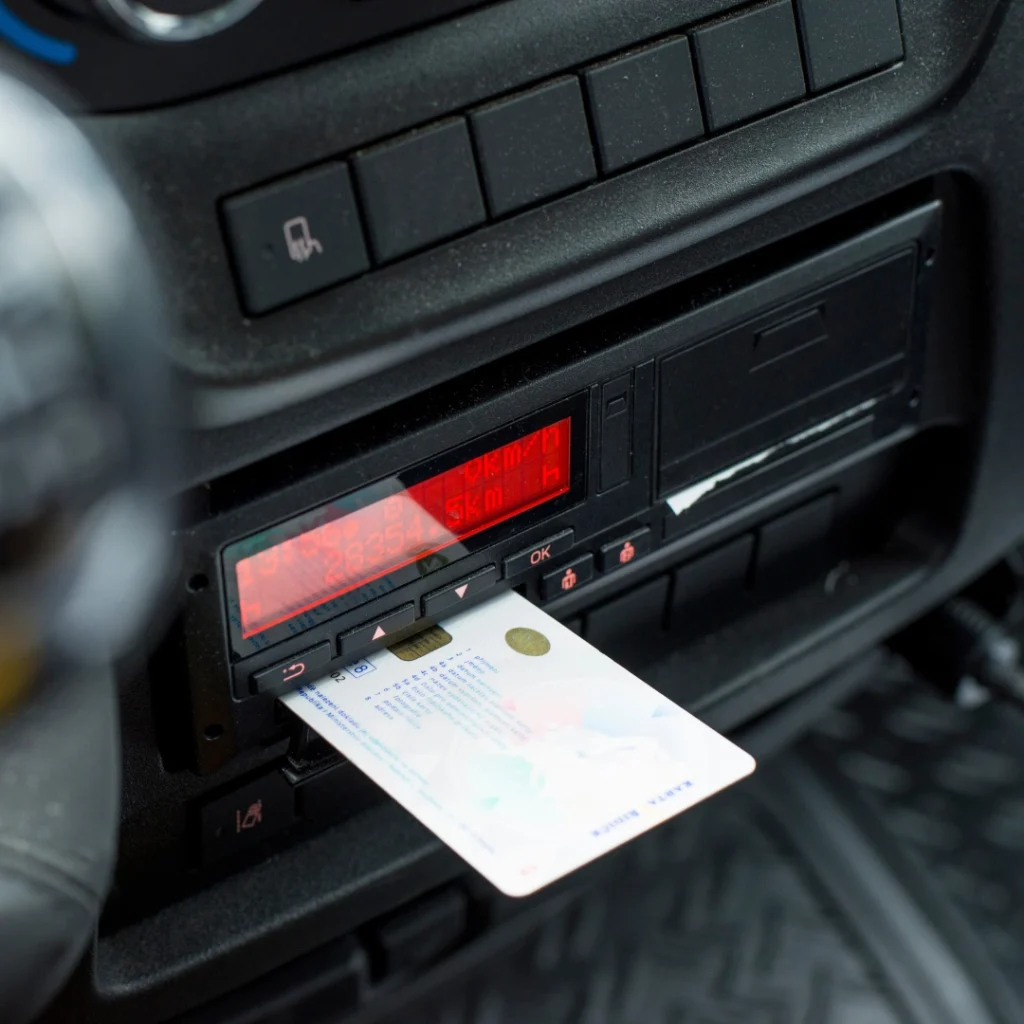
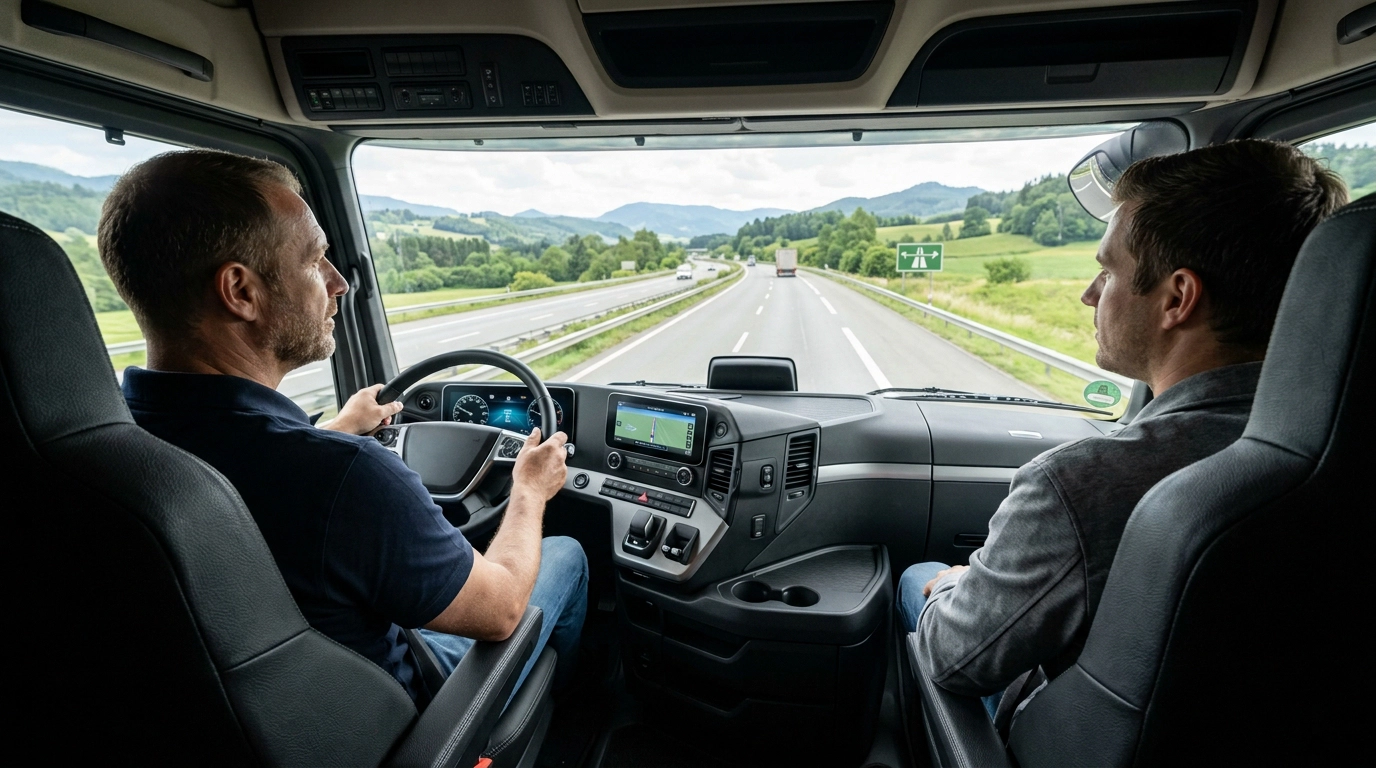
Working as a driver in Poland and the EU with the new device requires new habits. Functionality has been expanded to automate cabotage and posting control.
In previous-generation tachographs, drivers were required to stop at the first safe parking area after crossing a border and manually enter the country of entry.
This is a completely new function. Drivers must manually record the operation status through the tachograph menu: “Loading” (Załadunek), “Unloading” (Rozładunek) or “Simultaneous loading and unloading”.
Inspections are equipped with DSRC (Dedicated Short-Range Communication) antennas that read data from the tachograph of a passing truck on the move (at a distance of up to 50 meters).
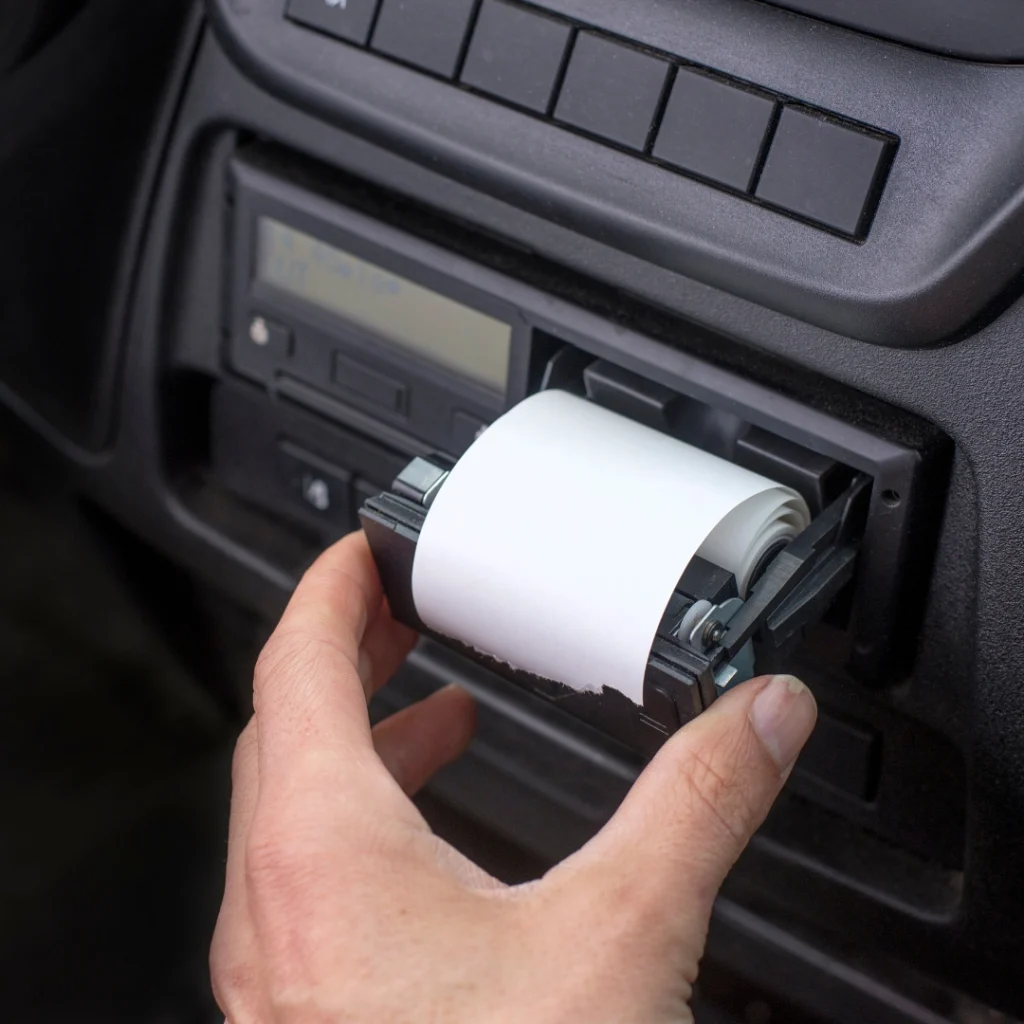
The implementation of G2V2 has complicated the technical maintenance process. Tachograph diagnostics in 2024–2025 requires service centers (warsztaty) to update software and obtain new certificates.
Ignoring equipment replacement deadlines is classified as a “very serious infringement” (BPN – Bardzo Poważne Naruszenie).
Legalization of drivers in Poland (obtaining a residence permit in Poland for foreigners) is strictly tied to the employer. If your transport company loses its license due to tachograph manipulation or huge fines, you lose the basis for work. Your residence card for working as a driver may be revoked. Reliable work begins in a legal company with a modern fleet.

A common question among newcomers: “If the company installed a new tachograph, do I need to replace my chip card?”
Knowing the laws in theory and being able to quickly find the right function in the VDO or Stoneridge tachograph menu at 3 a.m. at the border are different things.
The European certificate Code 95 in Poland requires up-to-date knowledge. At the driving school and training center “Code 95 at Mark’s” (StarTruck) we do not use outdated simulators.
In our courses (both long and periodic), drivers practice skills on real smart tachographs of the latest generations. We cover:
Without these practical skills, the first journey may end in serious financial losses.

The transition to Smart Tacho 2 is an irreversible step toward complete digitalization of the EU transport industry. By August 2025, all trucks on international routes will be required to use these devices. For professional drivers, this means increased control, but at the same time protection from unscrupulous employers forcing overtime.
Study current regulations, monitor the technical condition of your vehicle and invest in your knowledge. To work confidently on European routes and not fear inspection checks, undergo professional training at U Marka driving school Code 95. Proper preparation is your main tool on the road.
The system will issue a warning. In this case, you are required to stop at the first available parking area after the border and enter the country of entry manually through the tachograph menu, as was done with old devices.
No. Equipping the vehicle, calibration and tachograph replacement are 100% the legal and financial responsibility of the employer (transport company).
Tachographs and residence permits (residence card in Poland) are different legal areas. The bill on accelerating legalization to 60 days is planned for implementation as part of the digitalization of the e-Pobyt portal. However, working in a transparent company without tachograph fines is a basic condition for successful and trouble-free receipt of a decision from the foreigners’ affairs inspector. Exact conditions and current legalization deadlines should be checked before submitting documents.
Follow us on social media
[qsm quiz=”1″]